About
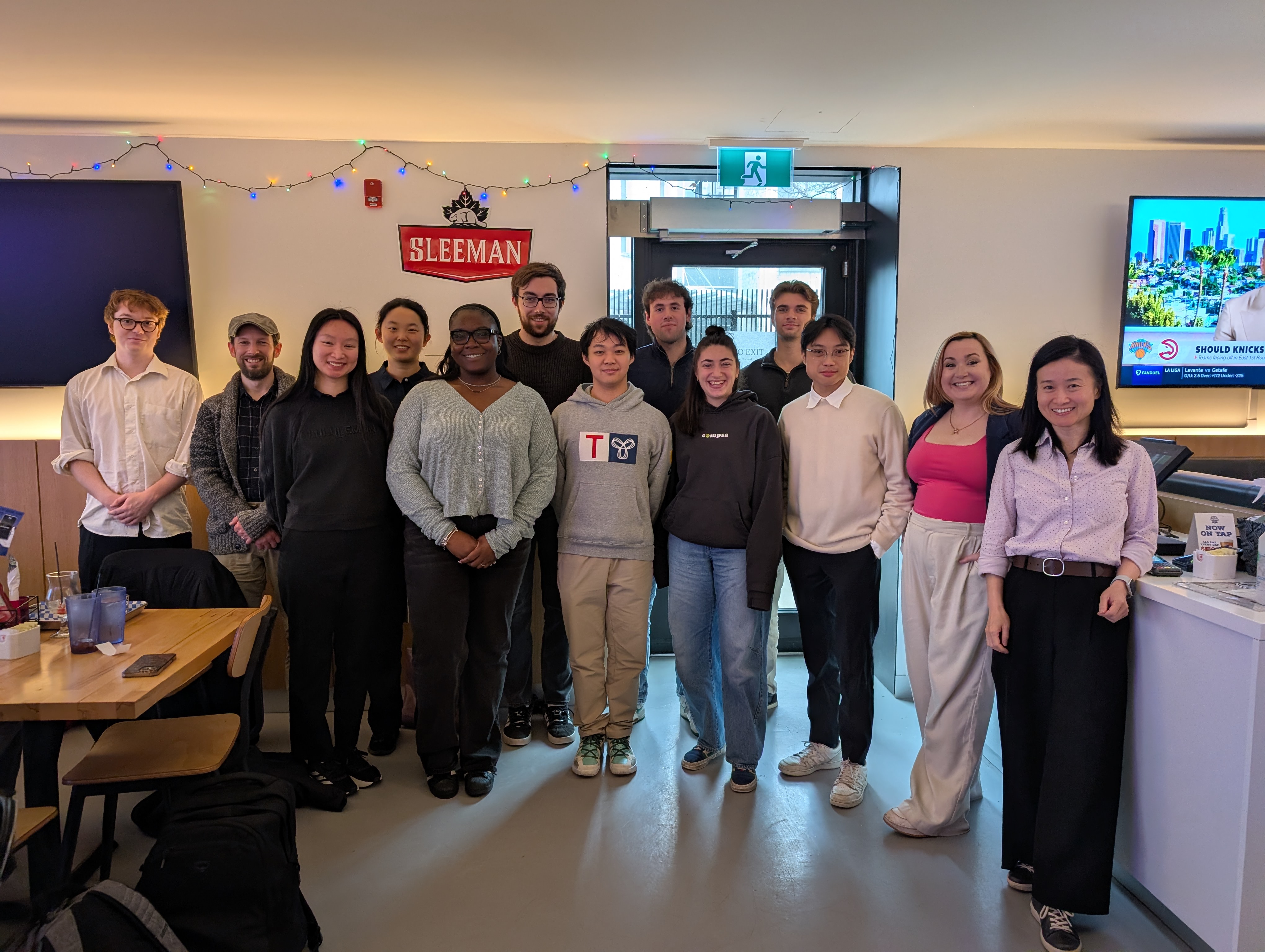
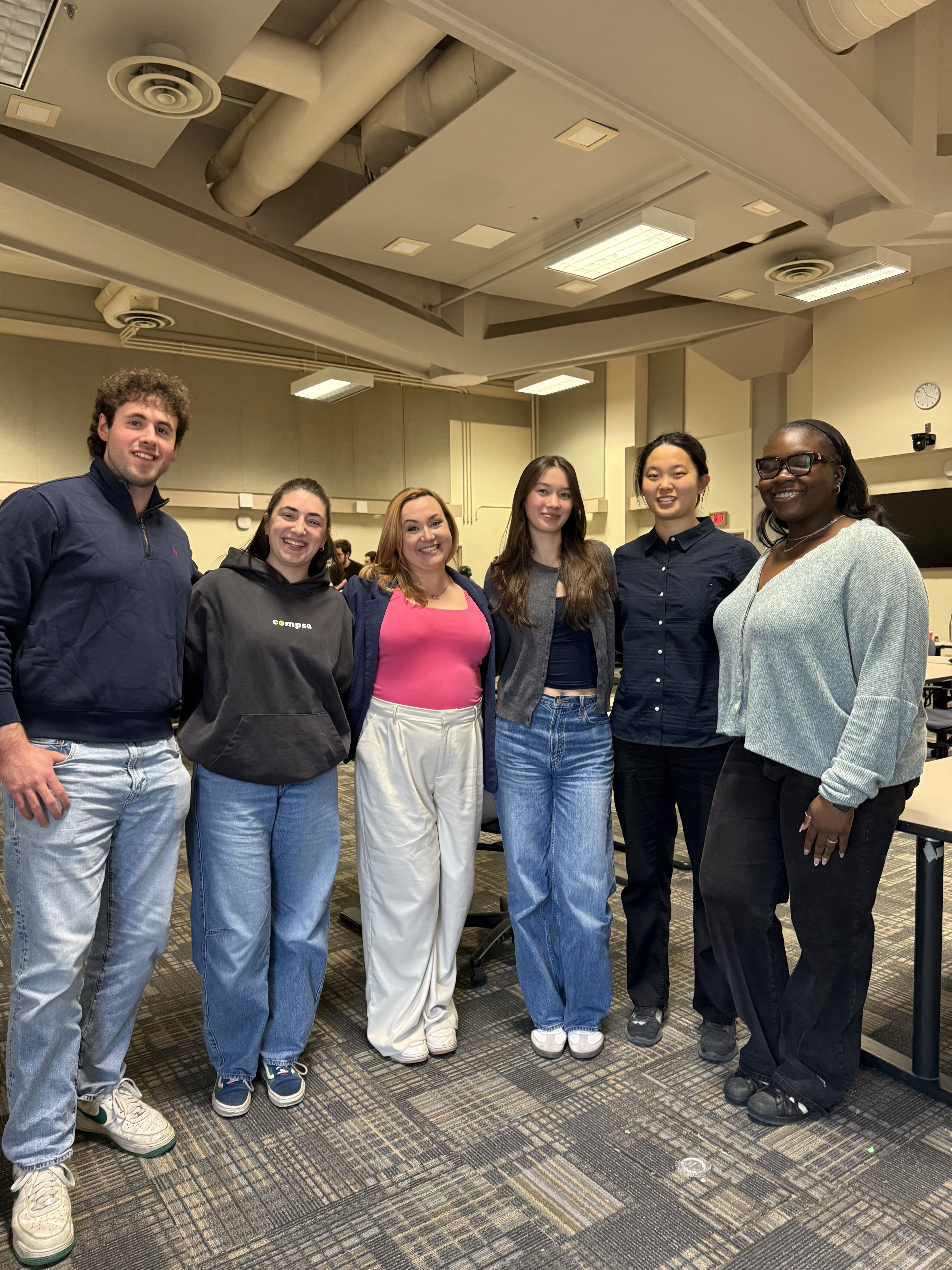
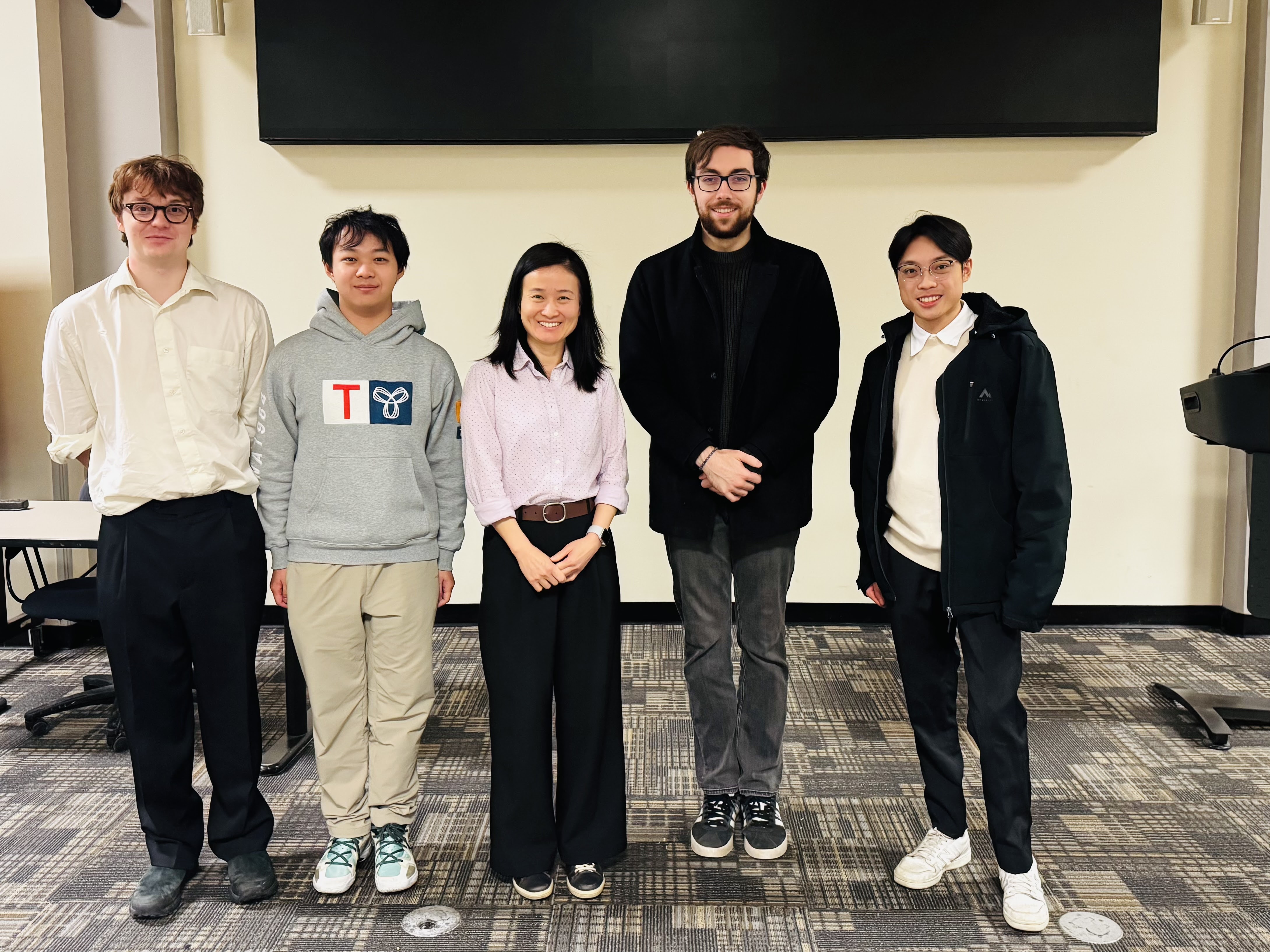
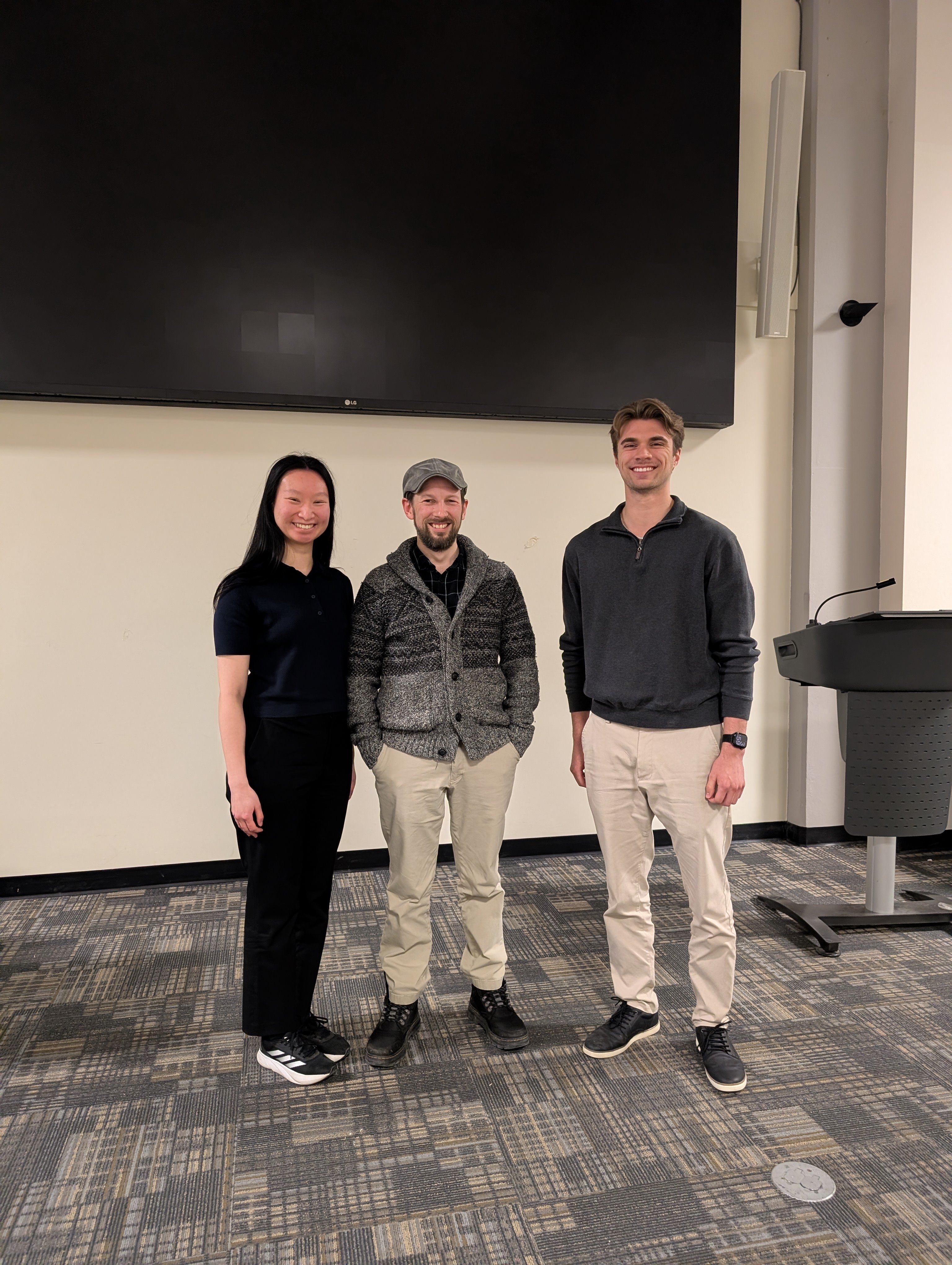
The MGM Spring Symposium is a celebration for those students that take on a 2-term research project with the MIB, Graph Lab, or MuLab in the School of Computing at Queen's University. This primarily involves CISC 500 students.
The MGM Spring Symposium will take place on April 13th, 2026, in Robert Sutherland Hall 202.
Admittance is free and open to all those interested.
Speakers
-
10h00 Welcome and Coffee
Welcome to the 3rd Annual MGM Spring Symposium
-

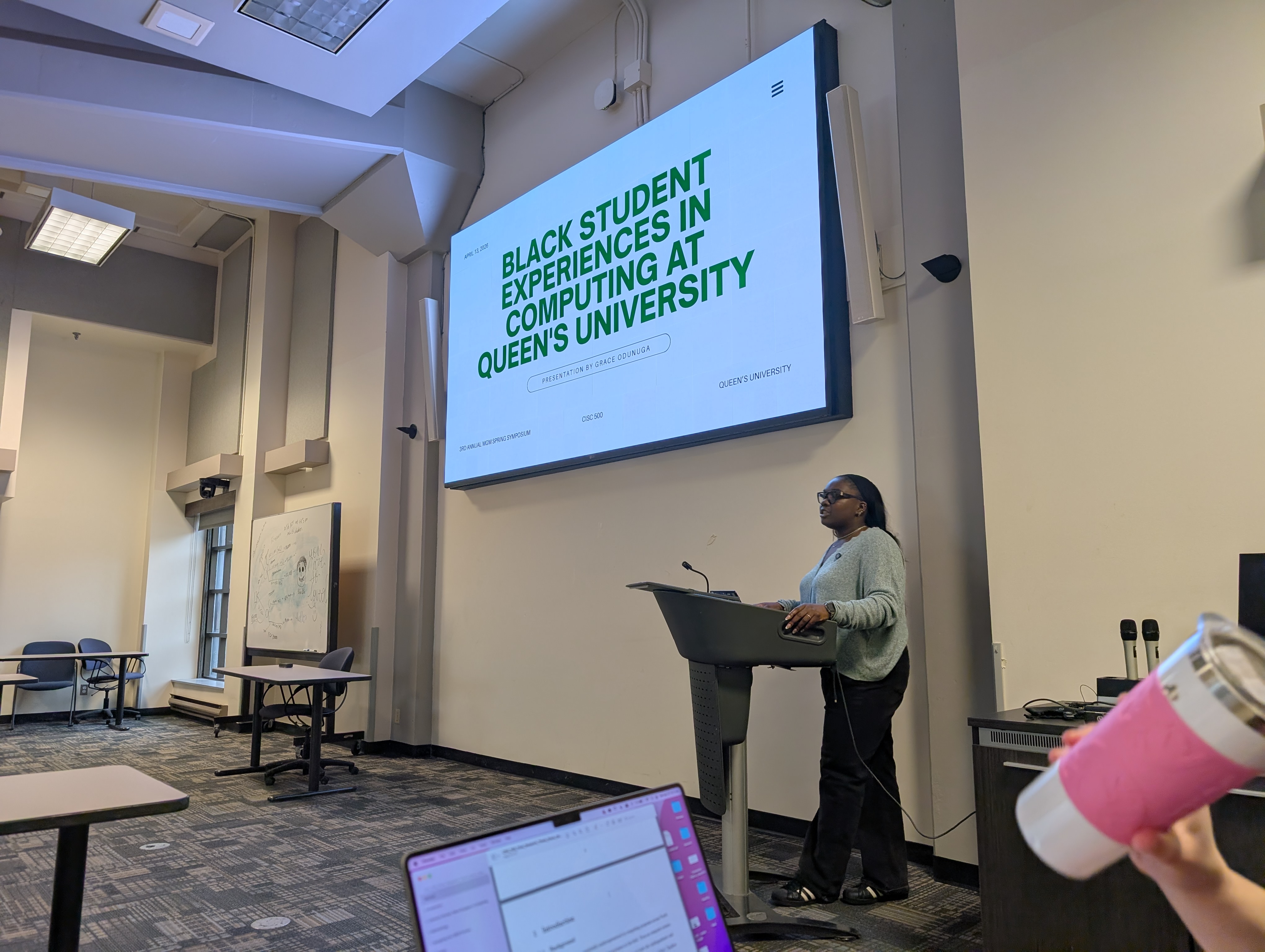
10h20 Grace Odunuga
Black Student Experiences in Computing at Queen’s University
Black students have been consistently underrepresented in computing programs across North America, and yet there is still very little formal research that exists on what their experiences actually look like. This study investigates what Black students in the Queen’s School of Computing need in order to truly thrive in the program, rather than simply surviving or getting by. Many institutions talk about diversity and inclusion, but don’t always stop to consider whether those efforts (or lack thereof) are actually making a difference for the students they are meant to support. This research tries to bridge that gap by listening directly to Black students about their academic and social experiences in the program. Using a mixed-methods approach, data was collected through a survey with 15 participants and semi-structured interviews with 6 students. The survey looked at how students feel about belonging and representation in the program, and the interviews created space for students to share their fuller stories. The findings show that while Black students are academically capable, many shared that they felt like they did not fully belong in the program. Interview participants described experiences of isolation, impostor syndrome, and the constant pressure of feeling like they had to prove themselves in ways their peers did not. Initiatives like Black Code hours and Queen’s Black Tech came up as important sources of support. These spaces gave students a chance to build community, connect with others, and feel more supported in the program. These findings are specific to Queen’s University, they do show patterns that are likely present in computing programs across Canada. This research does not claim to solve the problem, but it does provide the School of Computing with something it did not have before, which is direct evidence of what Black students are experiencing and a clearer picture of where to start.
Bio:
Grace Odunuga is a fourth-year Computer Science student in the School of Computing at Queen’s University. She is currently working in the Graph Lab while completing her undergraduate thesis, co-supervised by Dr. Erin Meger and Dr. Katherine McKittrick. Her research focuses on the experiences of Black students in computing. She has been awarded an NSERC Undergraduate Student Research Award (USRA) and will continue this work over the summer.
-

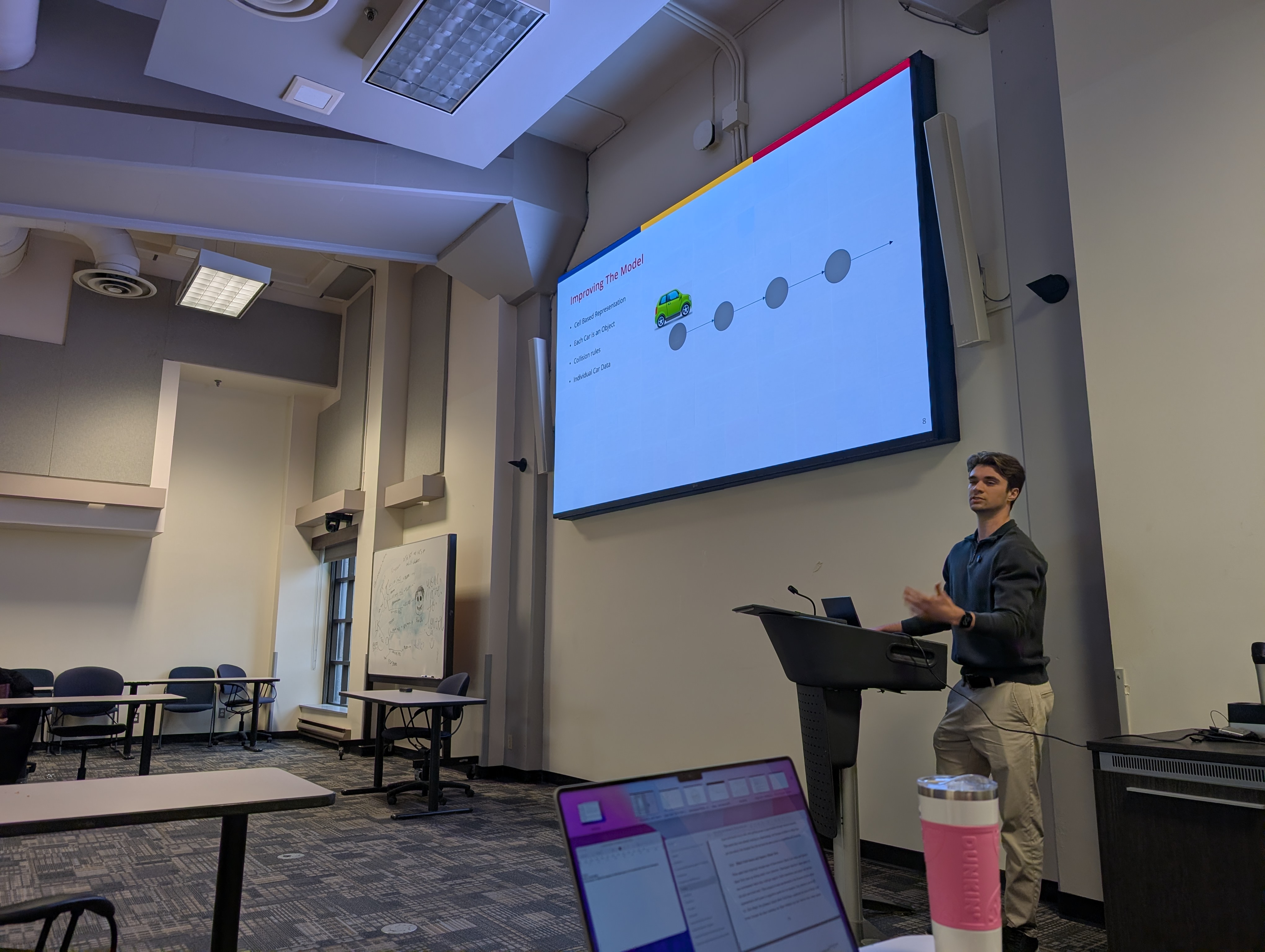
10h40 Braedon Van Wiechen
Optimizing Traffic Signalling With Automated Planning
Urban transit efficiency depends critically on traffic signal timing, yet most corridors still rely on fixed, clock-based timing that limits the effectiveness of the signal system. This work presents an automated planning approach to traffic signal optimization along a four-intersection corridor, with an emphasis on bus priority. Using RDDL (Relational Dynamic Influence Diagram Language) within the pyRDDLGym simulation framework, the traffic corridor is modelled as a pipe-based system in which vehicles propagate step-by-step between queued intersections. The planner learns signal policies with the ultimate goal of reducing bus travel time and traffic congestion along the corridor.
Bio:
I’m a fourth-year computing student at Queen’s University, working with Dr. Muise on applying an automated planning model that seeks to optimize traffic signal timing for efficient public transit movement in urban environments. In my spare time, I enjoy spending time outdoors, DJing, and binge-watching movies.
-
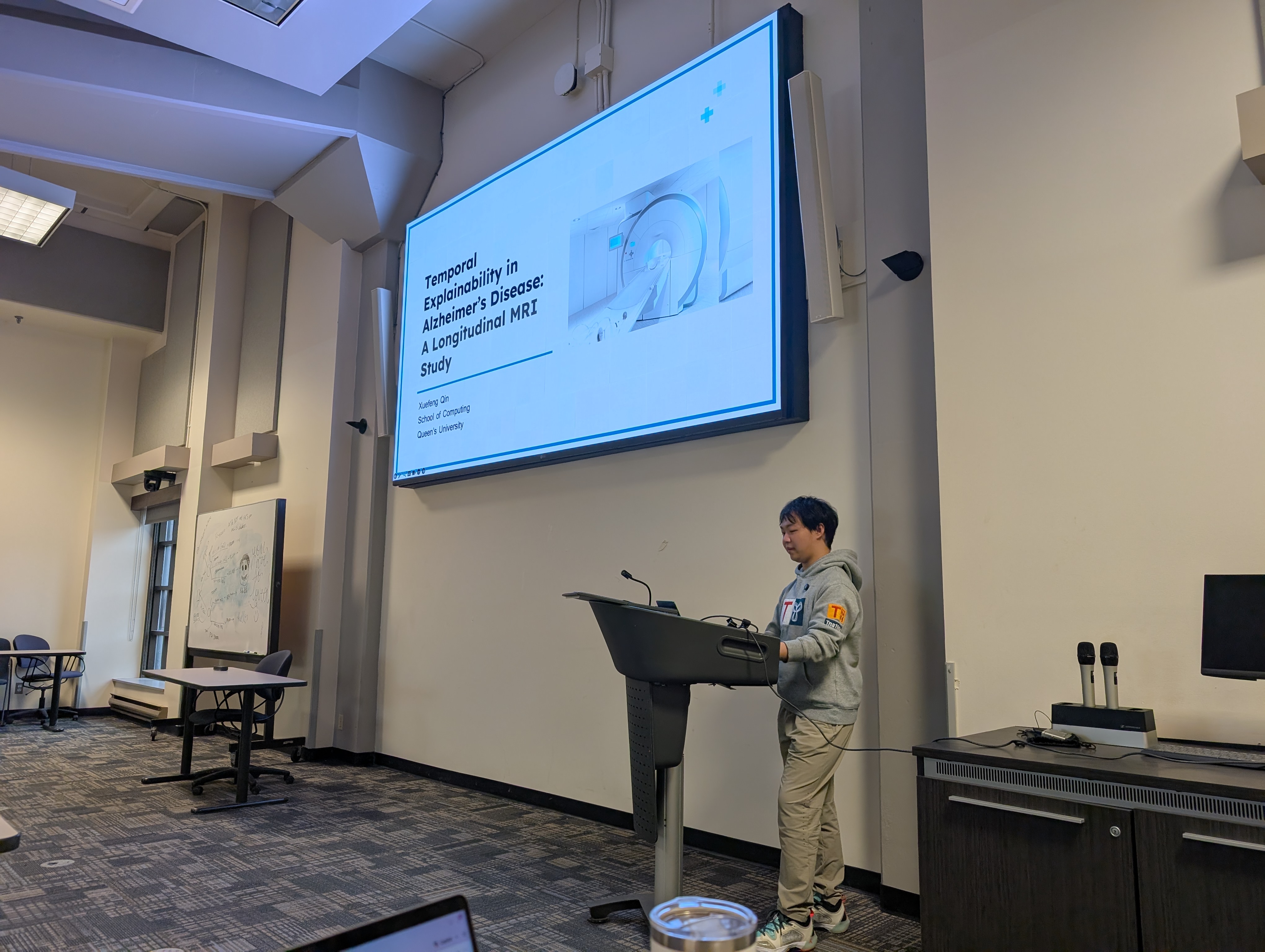
11h00 Xuefeng Qin
Temporal Explainability in Alzheimer's Disease: A Longitudinal MRI Study
Alzheimer's disease progresses over years, so explanation methods that only inter- pret a single scan miss how model evidence may evolve across follow-up. This paper presents a reproducible longitudinal explainability pipeline for structural MRI us- ing a 3D CNN trained within ClinicaDL and Grad-CAM explanations saved as 3D NIfTI volumes. Longitudinal T1-weighted MRI from ADNI is organized into subject- exclusive splits with four visits per subject (approximately 0, 6, 12, and 24 months) to support within-person comparisons under standardized preprocessing. Grad-CAM maps are visualized under fixed world-coordinate slicing and summarized into ROI- level attribution vectors, enabling quantitative longitudinal analyses. A controlled month-24 back-test evaluates whether later ROI attribution can be reconstructed from earlier visits using a lightweight forecasting rule, and agreement is assessed with rank-based correlation. Overall, the work emphasizes auditability and time-aware validation of explanations rather than maximizing diagnostic accuracy.
Bio:
Xuefeng is a fourth-year undergraduate student pursuing an Honours Bachelor of Computing at Queen’s University. His primary research interests focus on explainable AI and medical imaging.
-

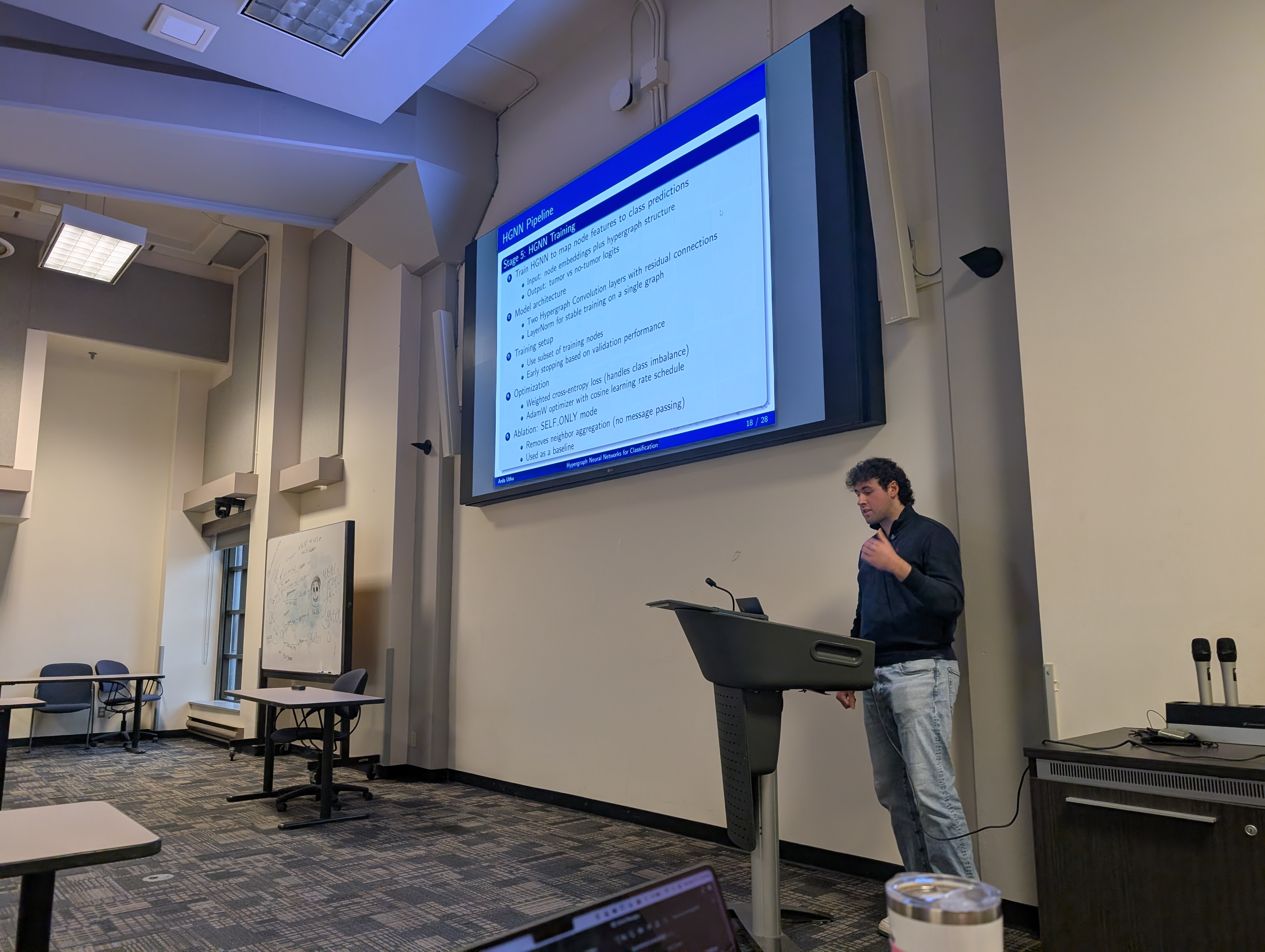
11h20 Arda Utku
Hypergraph Neural Networks for Classification Tasks
This thesis studies whether Hypergraph Neural Networks (HGNNs) can be used as a practical and effective approach to image classification on brain MRI datasets. Specifically, it focuses on whether an HGNN can serve as a meaningful alternative to a more conventional convolutional approach for image classification. The project was carried out in two stages. The first stage used the public Brain Tumor MRI Dataset from Kaggle as a four-class benchmark containing glioma, meningioma, pituitary, and no-tumor images. While this initial stage was useful for validating the initial HGNN pipeline, its pre-processed two-dimensional slice format limited the higher-order relationships that a hypergraph model is designed to take advantage of. The second stage therefore transitioned to the PROTEAS longitudinal brain metastases dataset, which provided raw MRI volumes, segmentation masks, and richer anatomical context. The final pipeline included slice-level dataset preparation, ResNet-18 encoder fine-tuning, feature extraction, hypergraph construction using a k-nearest neighbor algorithm, and two-layer HGNN training. While our initial model was outperformed by a convolutional neural network (CNN) baseline on the Kaggle dataset, the final stabilized version of our HGNN achieved 97.81% accuracy with 99.65% tumor recall in binary classification on the PROTEAS dataset. These findings suggest that HGNNs are not a universal replacement for CNNs, but can be a compelling alternative when applied to volumetric medical datasets that preserve meaningful higher-order relationships among samples.
Bio:
I am a 4th year computer science student specializing in Cybersecurity here are Queen's University. My research to date includes studying the application of Hypergraph Neural Networks (HGNNs) for image classification tasks on brain MRIs. In addition to academic research, I enjoy many hobbies such as watching movies, going on road trips, and competing in sports like table tennis and volleyball. Actually, I'm currently a Co-Founder and Executive of Queen's Universities first Table Tennis team. Over the next two years, I will be continuing my studies at Columbia University where I will be doing my master's in computer science. There I hope to make new connections and perform further research on topics like HGNNs and biomedical computing!
-
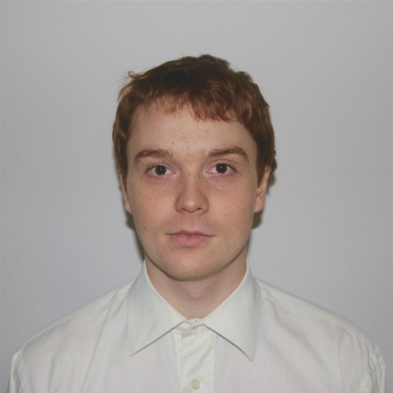
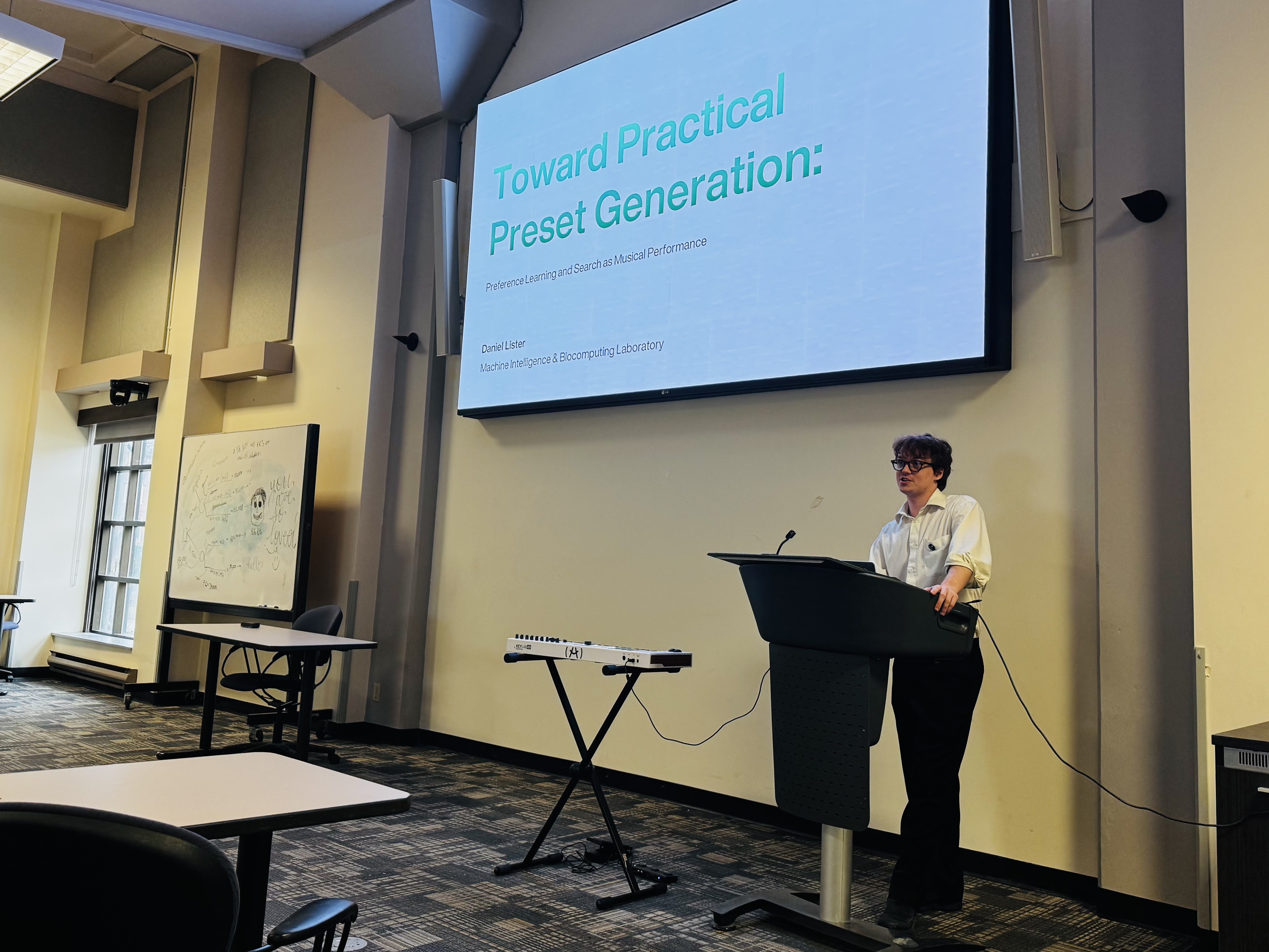
13h40 Daniel Lister
Toward Practical Preset Generation: Preference Learning and Search as Musical Performance
Interactive evolutionary computation (IEC) offers a way to generate synthesizer presets based on user preferences. However, the need to evaluate every candidate solution causes user fatigue and is a bottleneck on convergence speed. Furthermore, evaluating candidates interrupts the user’s playing, making it difficult to transition between sound design and playing the instrument. We propose two new frameworks for IEC based preset generation to address these issues. The first is a preference model framework intended to reduce the number of evaluations needed by allowing the model to act as a surrogate fitness function. The second is a framework that treats the search through sound-space as part of musical performance. By interpolating between candidates and using foot-pedals to steer the generation algorithm, it attempts to allow for evaluation and playing to happen simultaneously. The second framework is evaluated using automated policies given the task of steering from a starting preset to a target. Results suggest that the musical performance framework preserves the search effectiveness of a traditional 1+1 evolution strategy while providing finer-grained control over transitions between sounds. However, convergence to a target preset remains slow. The preference model’s prediction accuracy is shown to be weak, barring it from resolving this limitation.
Bio:
Daniel is an undergraduate student working with Dr. Hu in his final year at Queen’s University. He is primarily focused on human computer interaction as it applies to audio applications, which he will be further researching as an MASc candidate at UBC in the fall.
-
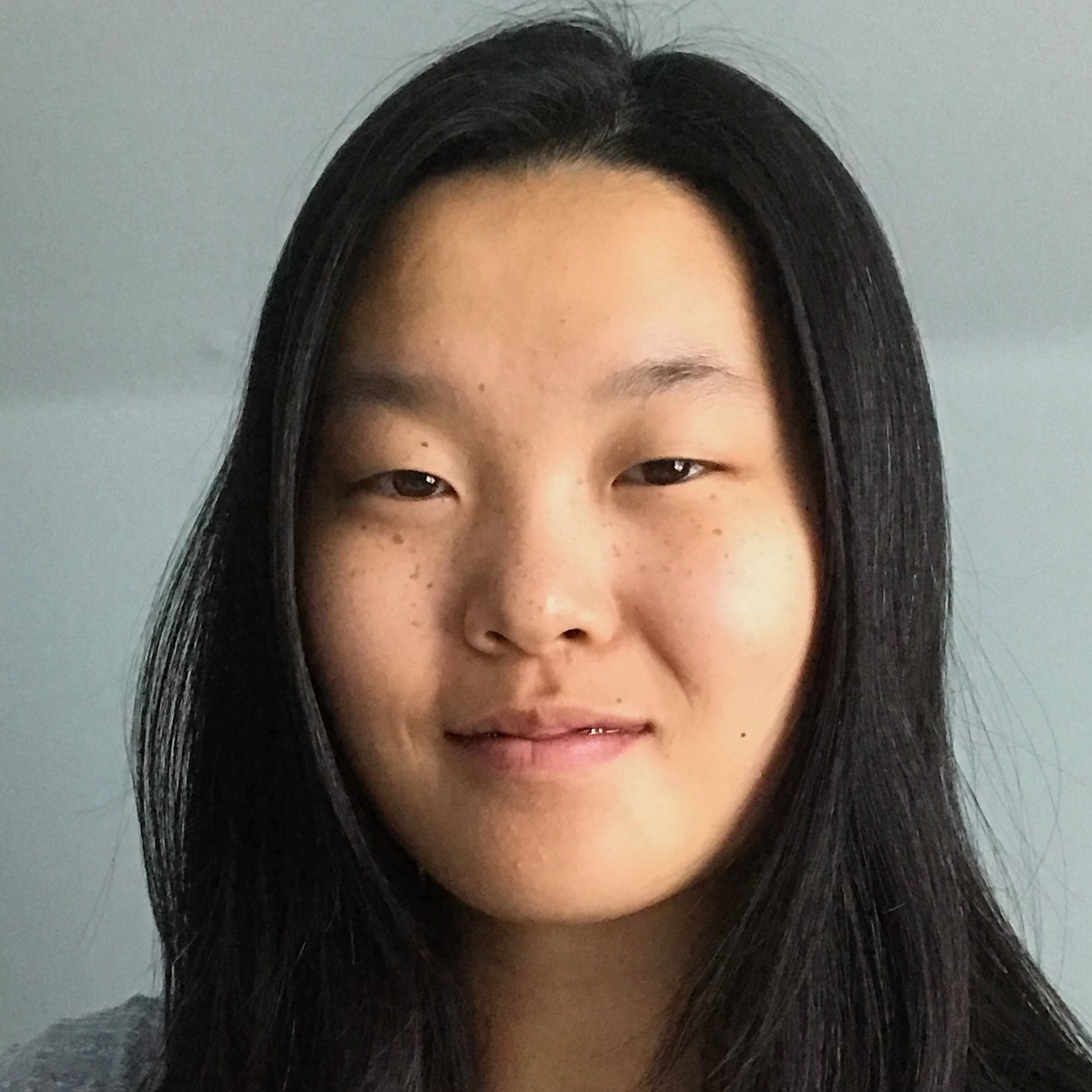
14h00 Selena Zou
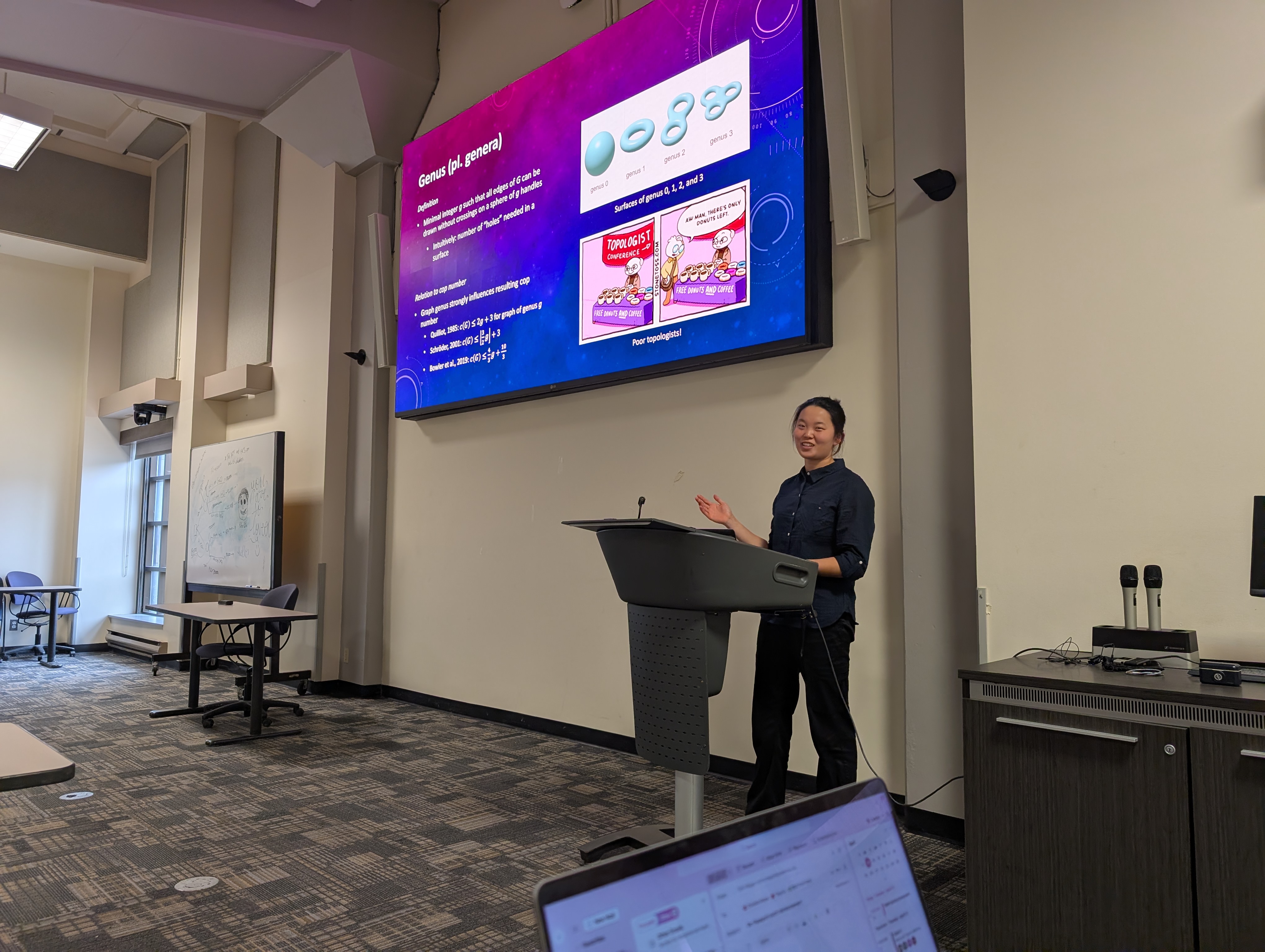
Cops and Robbers: Development of a Database of Graphs and Their Genera
Cops and Robbers is a pursuit-evasion game played on graphs; it has historically been used to model real-world scenarios like navigation and wildfire control. In the game, a set of cops and a single robber occupy the nodes of a graph; the cops attempt to capture the robber, who in turn tries to evade them. The cop number of a graph is the minimum number of cops such that the robber can always be caught. Past research has focused on theoretical approaches to bounding the cop number with respect to different graph properties, including the influential genus property. With an eye to building a machine-learning-driven approach to cop-number analysis, I focus on developing a database of graphs on up to 8 vertices and their genera, among other properties. As the graph genus problem is NP-complete, I present a sieving method to compute as many genera as possible efficiently, with 98% success. I also discuss future directions for database development using other algorithms and theoretical results at hand.
Bio:
I am a fourth-year student in the Queen's School of Computing. Prior to this research, I completed a 16-month internship working in embedded software and telecommunications at Ciena, where I will return full-time after graduating. My interest in Cops and Robbers was largely informed by my current addiction to another game often represented in the computing world on a graph – chess. In my free time, I enjoy going for walks, reading about doomed 19th-century Arctic expeditions, and playing chess (if I win).
-

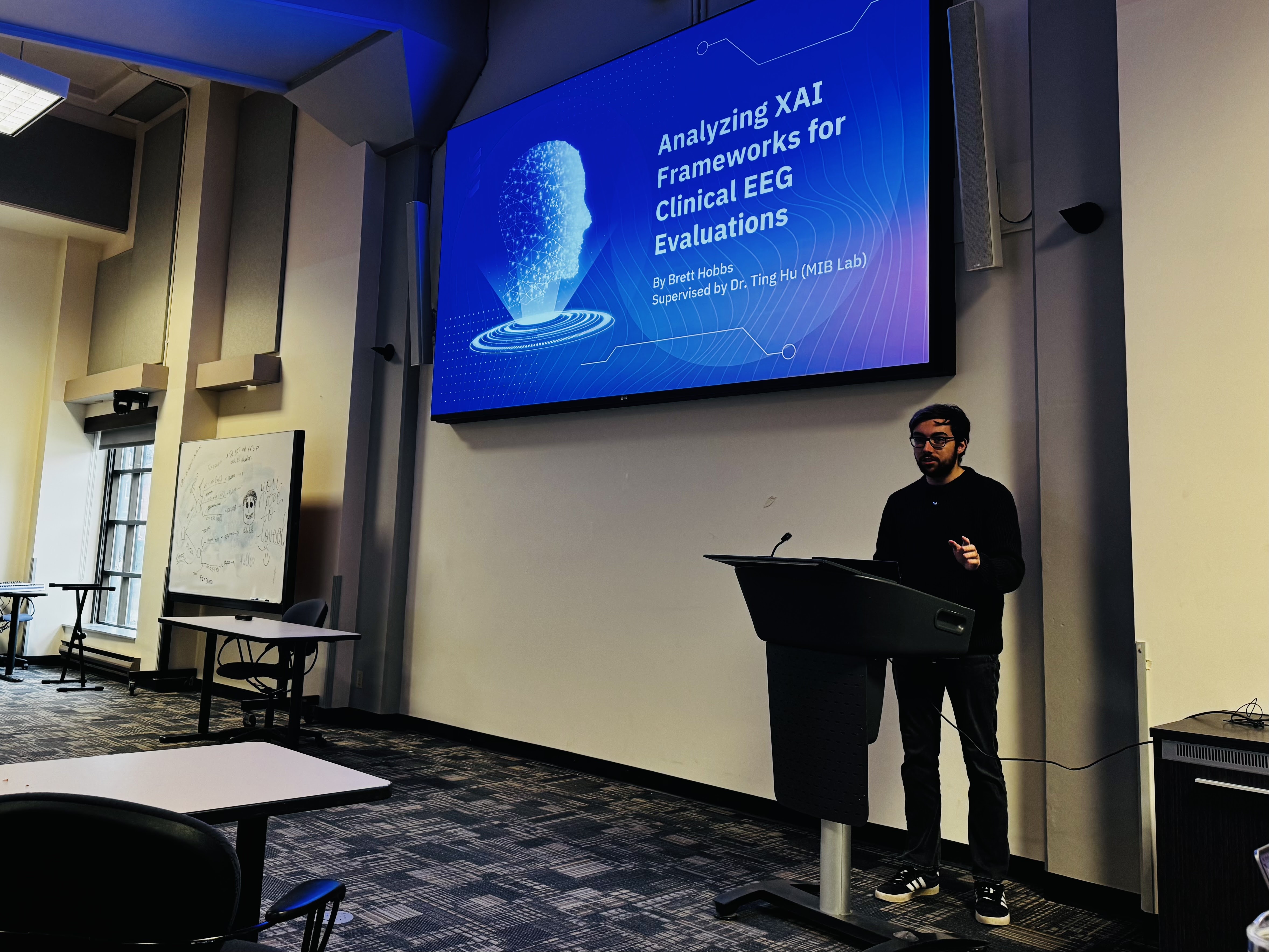
14h20 Brett Hobbs
Analyzing XAI Frameworks for Clinical EEG Evaluations
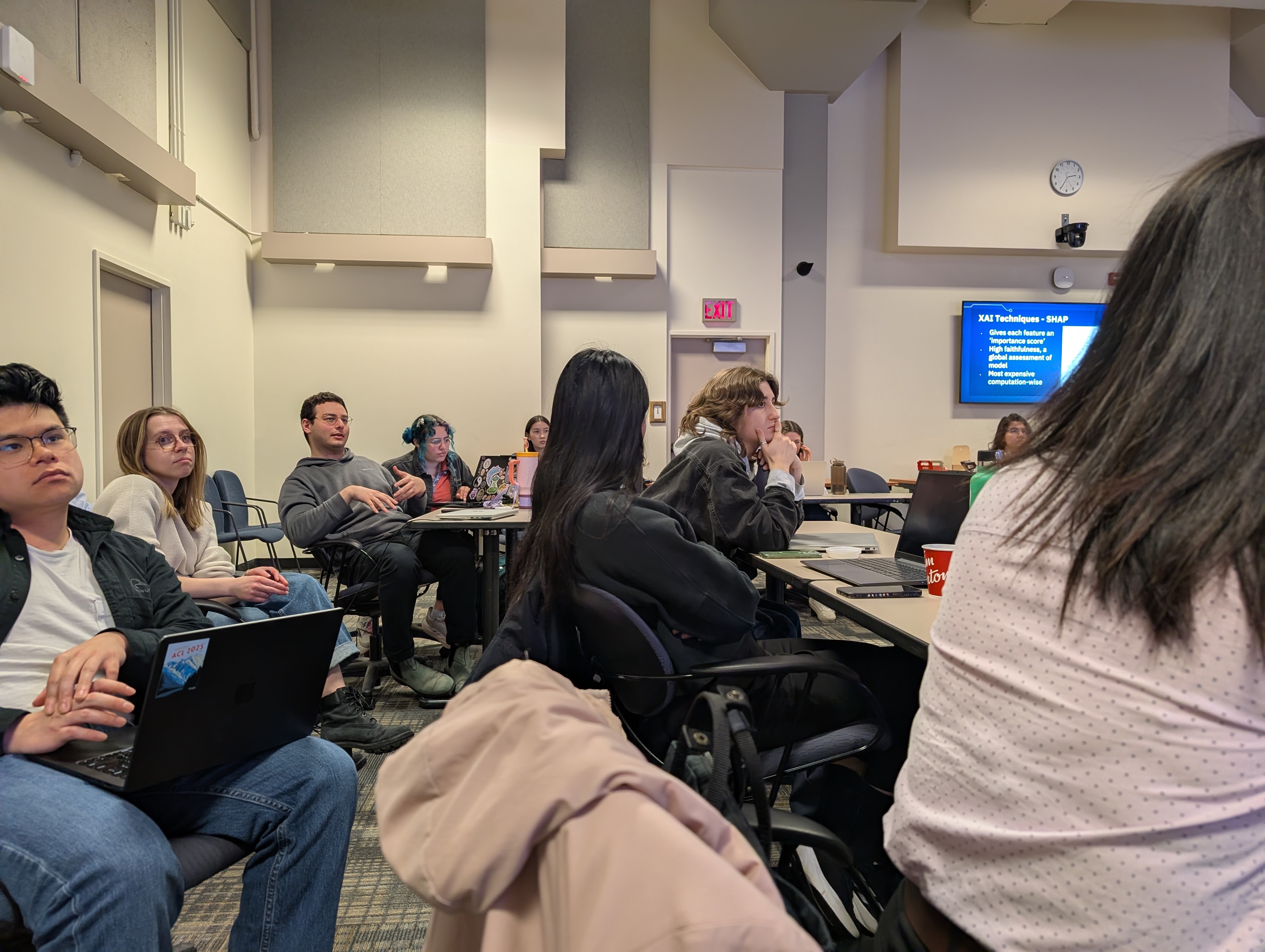
Machine learning models are increasingly used in clinical diagnosis, especially for interpreting time-series biometric data such as EEGs. Their black-box nature remains a major barrier in medicine. These high-performing models can reliably predict epileptic seizures. However, model transparency is often lacking. Thus making it harder to validate predictions against an established neurological baseline. This thesis evaluates the faithfulness and clinical reliability of three top Explainable AI (XAI) frameworks: SHAP, LIME, and Counterfactual explanations. It assesses which of these best serve practitioners and help bridge the gap between accuracy and human understanding. For this evaluation, raw EEG signals were extracted from the Bonn dataset. The signals were then transformed into 22 statistical features using the "catch22" framework. Both linear (Logistic Regression) and nonlinear (Random Forest) classifiers were trained on this data. This methodology provided a baseline for comparing the performance of XAI methods across four metrics: faithfulness (insertion/deletion AUC), complexity (sparsity), and explanation agreement. The results show a key difference among XAI methods: SHAP consistently produces more faithful explanations, with less regard for simplicity. LIME generates simpler explanations that are easier to interpret, but may oversimplify the model's deeper-level work. Counterfactuals, in contrast, address a specific challenge in clinical settings by highlighting the minimum change in the signal required to alter a diagnosis and by clarifying the differences between classes. Thus, each method prioritizes either faithfulness, simplicity, or actionable insights, illustrating the differences between them. These results show that no single XAI method is universally “best” for EEG analysis. Rather, this research proposes a multi-faceted explanation framework which integrates these supporting strengths, creating a path towards establishing clinical trust in model-driven epilepsy diagnosis.
Bio:
Brett is an undergraduate student at Queen's University working under the supervision of Dr. Hu. His research is primarily focused on explainable AI models in biomedical decision-making contexts.
-
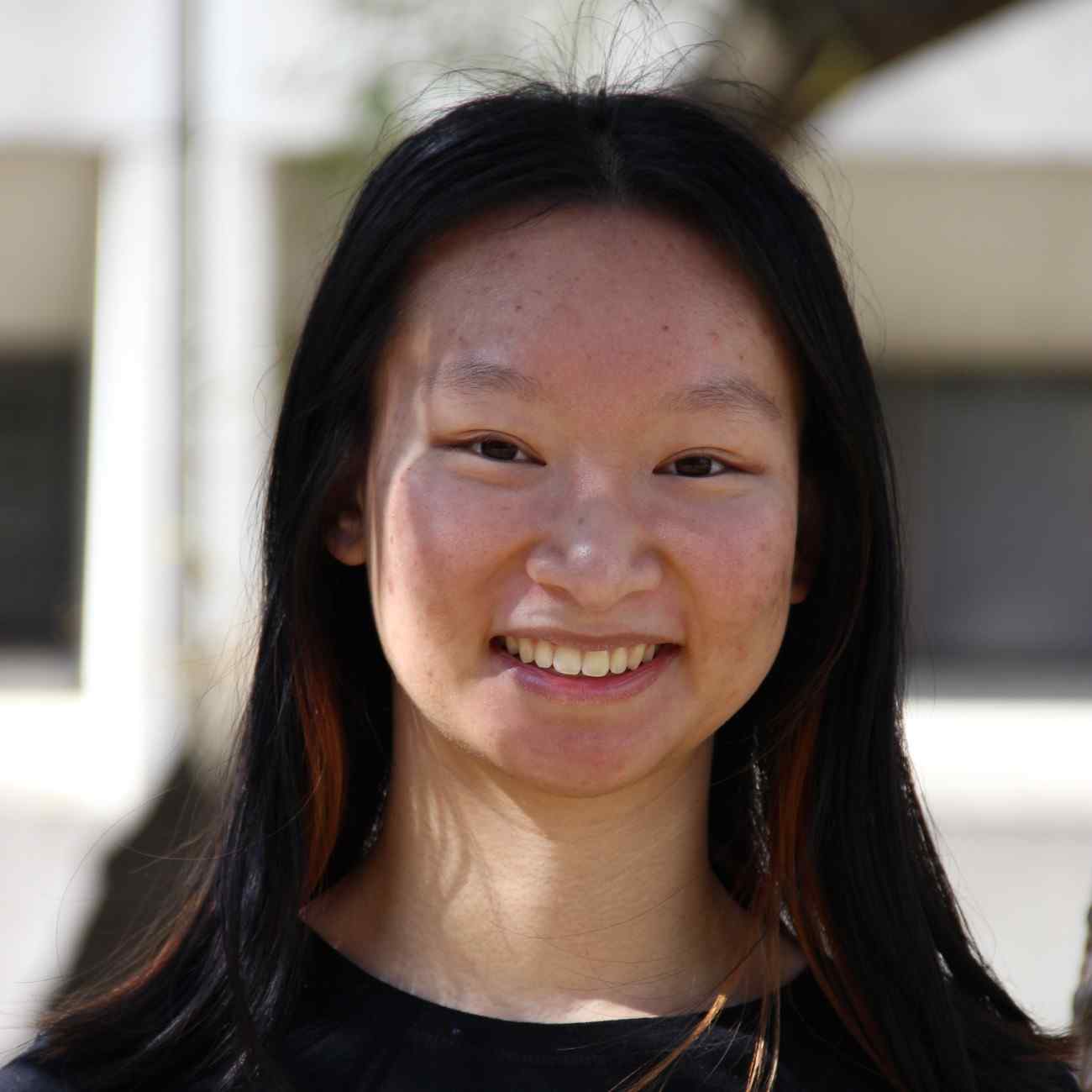
15h00 Cynthia Wang
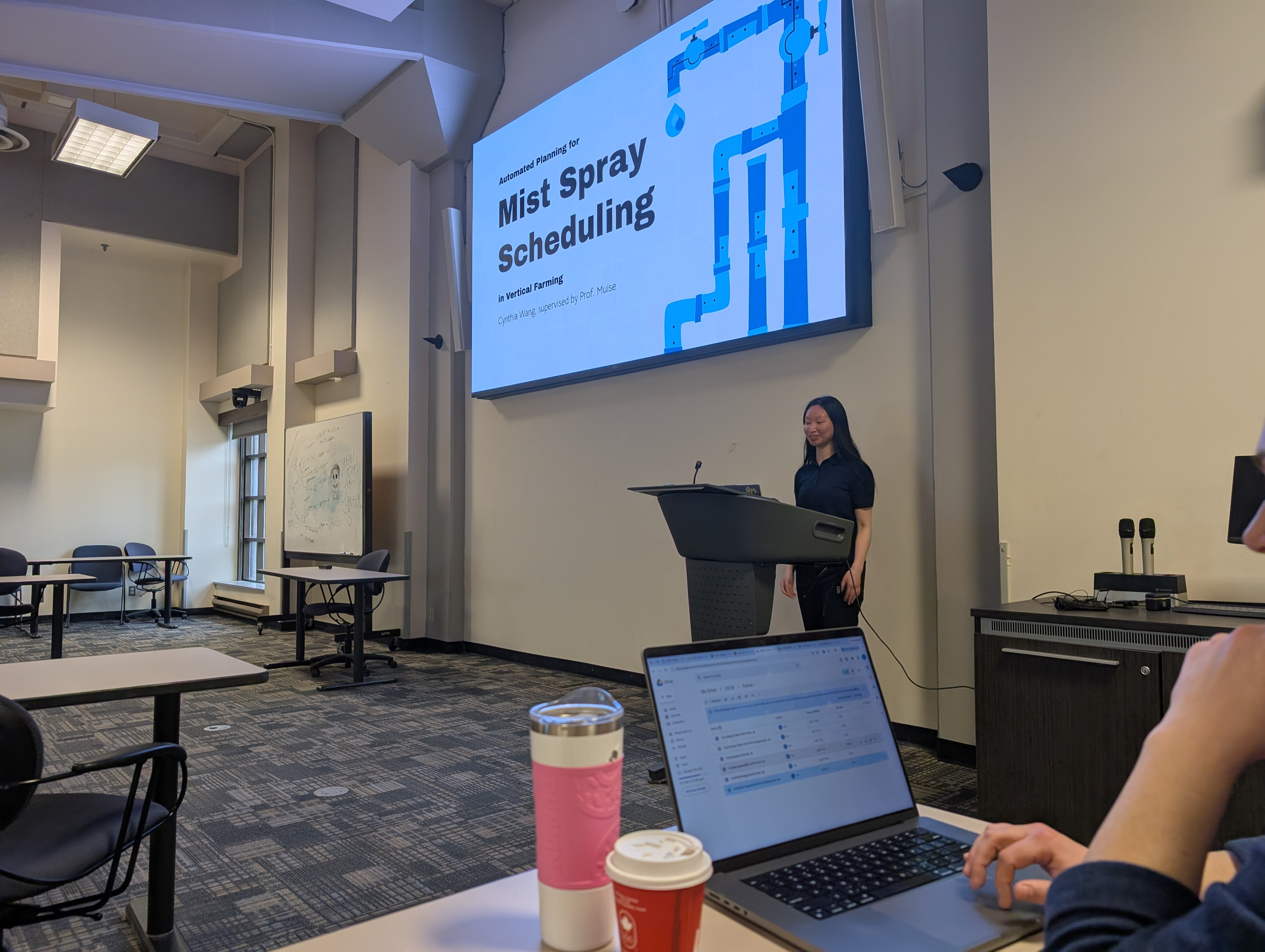
Automated Planning for Mist Spray Scheduling in Vertical Farming
This work presents a hybrid planning model of a vertical farm misting system using PDDL+. The system consists of a pump, a closed-loop tubing network, and a branching nozzle, with flow rate data collected via sensors under different operating conditions. The objective was to develop and validate a planning model capable of representing system dynamics accurately and generating proper misting schedules. A simplified set of equations was implemented in PDDL+ to model pressure and flow rate behaviour as the pump and nozzle states change. The model generated valid plans that were successfully validated using VAL and compared against experimental sensor data. Results showed strong agreement at steady state across multiple scenarios, including normal operation and nozzle clogging, although transient effects such as flow spikes during pump activation were not captured. A more complex model incorporating differential equations was also developed, but could not be validated due to tool limitations. These results demonstrate the feasibility of PDDL+ for modelling physical processes in vertical farming while high lighting challenges in validating richer dynamic models.
Bio:
Cynthia is an undergraduate Computing student at Queen’s University, working with Dr. Muise to apply automated planning techniques to spray scheduling in vertical farming. Outside of academics, Cynthia enjoys robotics, playing bridge, dancing, and crocheting!
-
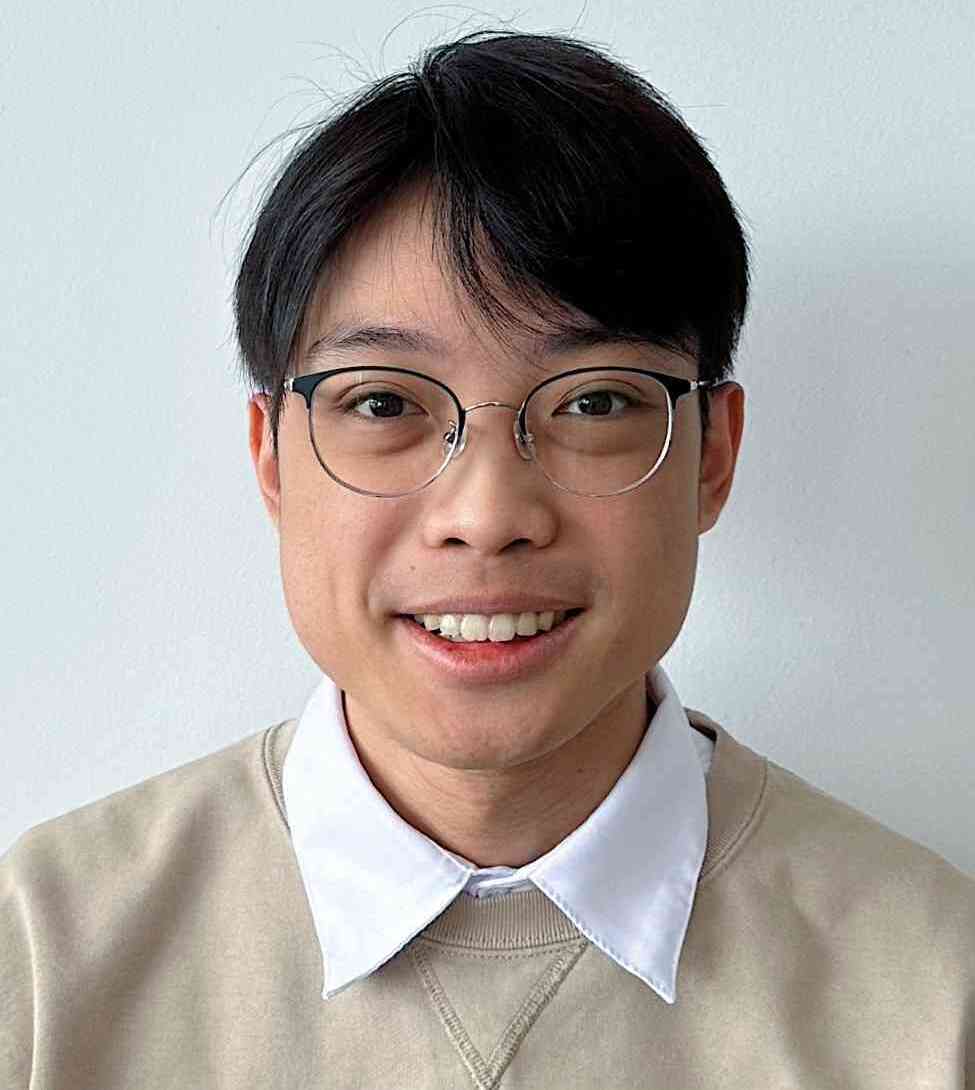
15h20 Jasper Nie
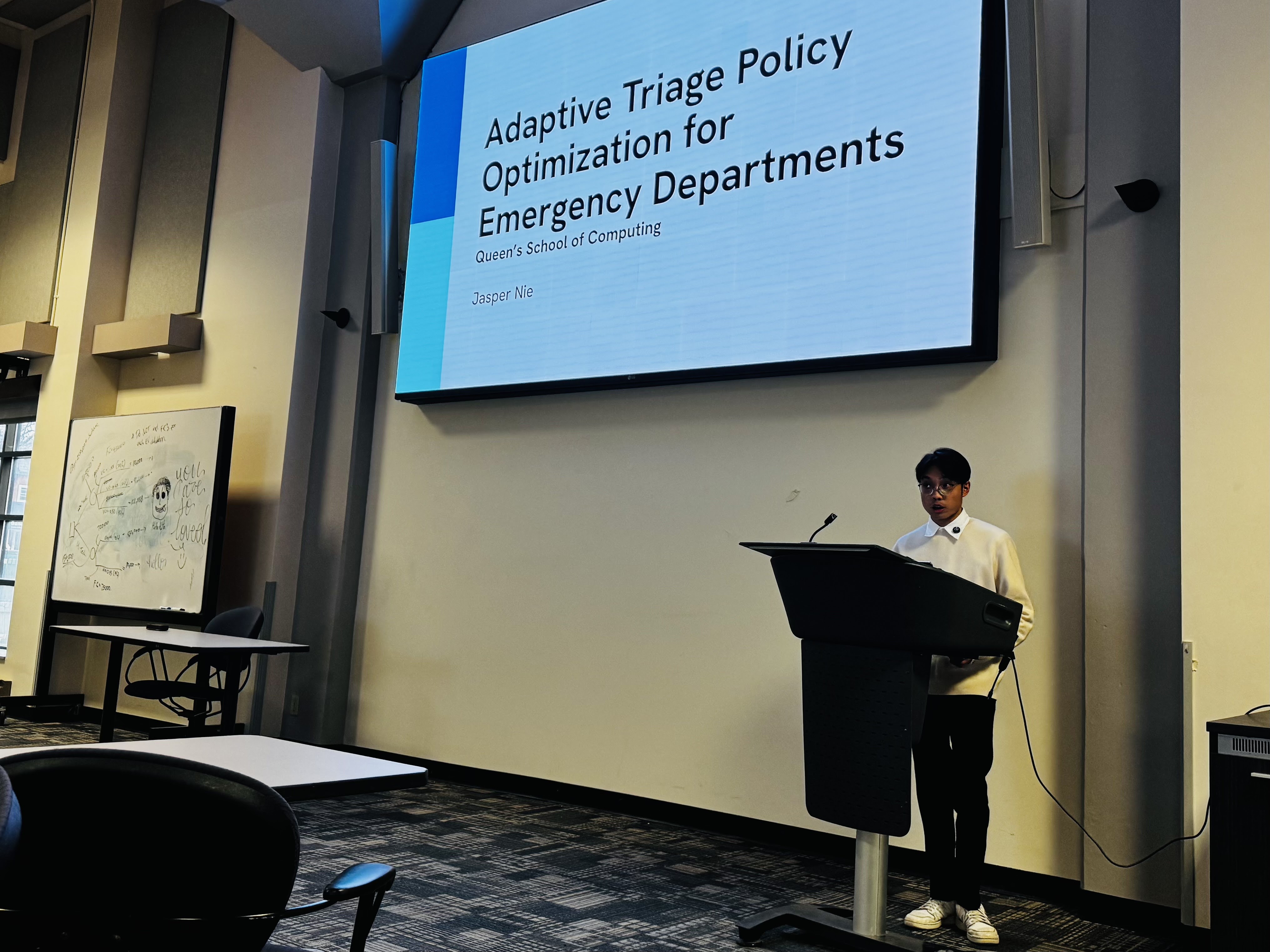
Adaptive Triage Policy Optimization for Emergency Departments
Emergency department crowding and prolonged waiting times remain persistent challenges in modern healthcare systems, particularly in publicly funded systems such as Canada’s. While structured triage protocols such as the Emergency Severity Index (ESI) and the Manchester Triage System (MTS) effectively prioritize patients based on clinical urgency, they do not dynamically adapt to fluctuating demand, staffing constraints, or time-dependent patient deterioration. This thesis examines whether adaptive triage policies developed through evolutionary optimization can enhance emergency department performance without compromising timely care for high-severity patients. To explore this question, a discrete-time simulation framework was developed to model patient arrivals, nurse scheduling, time-dependent deterioration, and triage decision processes. Multiple optimization approaches were evaluated, including linear evolutionary policies, parameterized prioritization models, hybrid strategies, and neural-network-based policies optimized through evolutionary search. Policies were assessed across diverse arrival patterns and staffing conditions using severity-weighted waiting time as the primary performance metric. Results show that neural-based triage policies consistently reduce weighted waiting times compared to both ESI and MTS across a wide range of operational scenarios. A hybrid neural model incorporating a confidence-based fallback mechanism preserved these performance gains while maintaining interpretability and alignment with established clinical rules. These findings demonstrate that adaptive, optimization-driven prioritization strategies can significantly improve emergency department flow while preserving safeguards for critically ill patients, highlighting the potential of evolutionary and AI-based approaches in optimizing healthcare operations.
Bio:
Jasper Nie is an undergraduate student at Queen’s University pursuing a Bachelor of Computing (Honours) in Artificial Intelligence with a minor in Mathematics. His work focuses on explainable AI and optimization, with applications in healthcare decision systems.
-
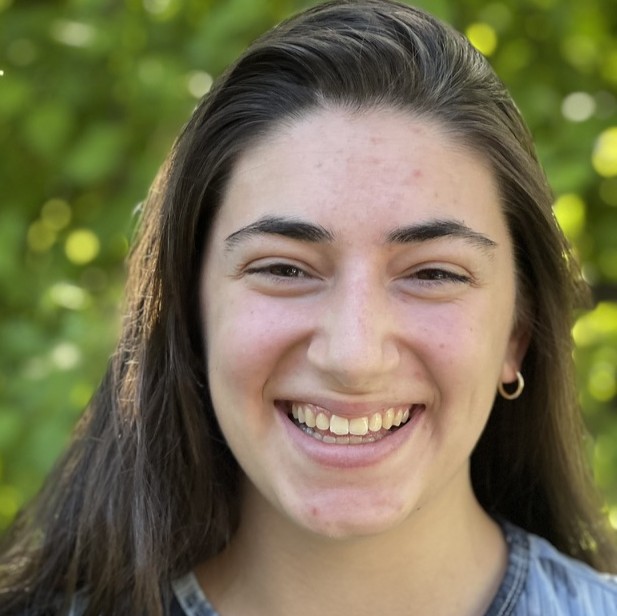
15h40 Arianne Nantel
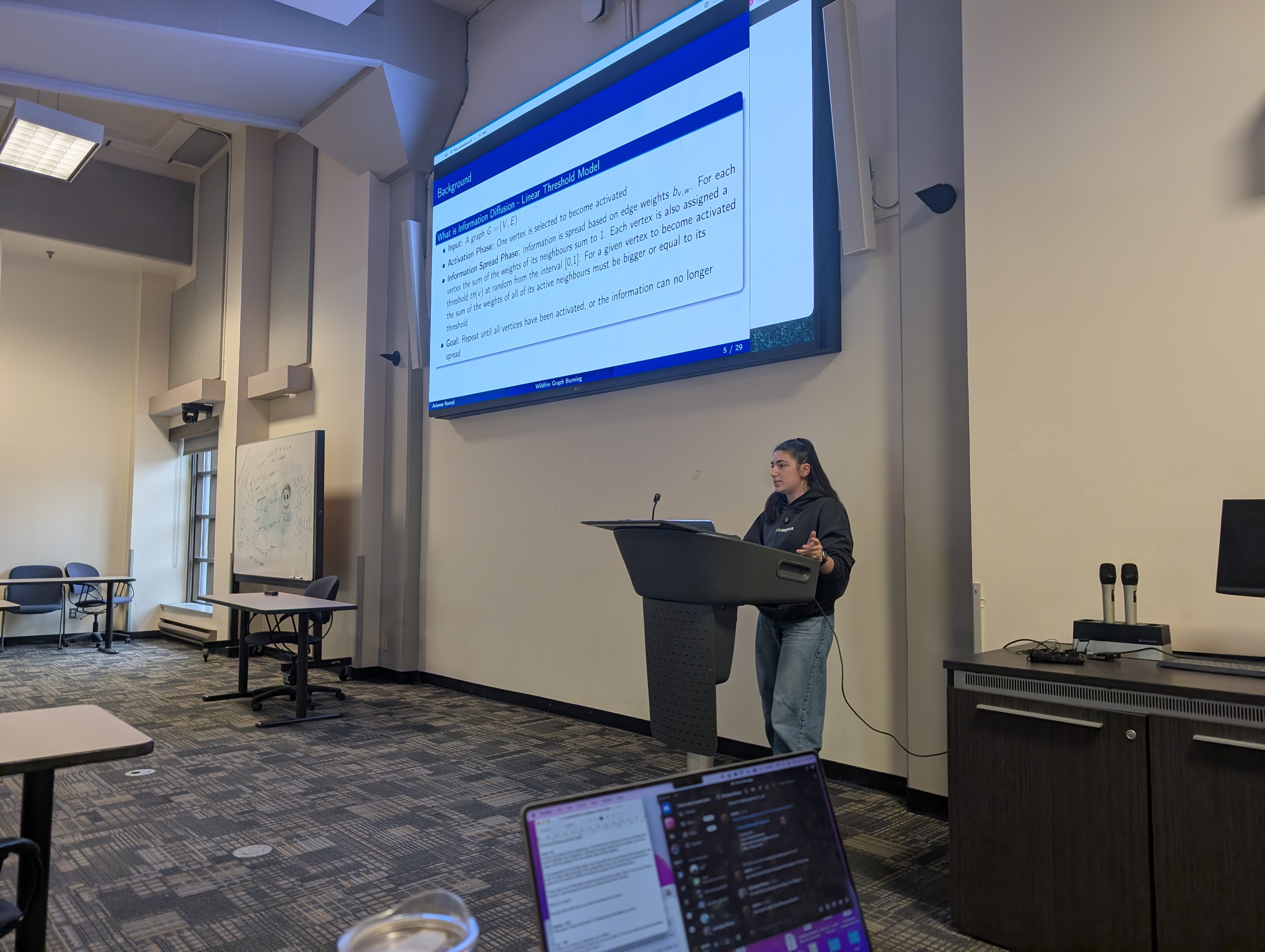
Novel Information Diffusion model inspired by Wildfires
Wildfires are an increasingly devastating natural disaster worldwide, posing significant threats to ecosystem, infrastructures, and human life. In this talk, we propose a new information diffusion framework, the Wildfire Burning Model, combing appraoches from Graph Burning and Linear Threshold Models. We will define the model, explain its similarities to previous models, and provide simulation results. This model captures key features of wildfire spread, incorporating both structural properties of networks and local environmental conditions such as dryness. We evaluated the model on four well-studied graph models to assess the impact of network topology on the wf (G) parameter, measuring the time to fully burn the graph. This model provides interesting future questions in both theoretical graph theory and applied wildfire modeling.
Bio:
I am a 4th year computing students at Queen's University, working with Dr.Meger on a novel information diffusion technique model after how Wildfires travel. In the future I will be pivoting my research and joining the MuLab. In my spare time I enjoy the outdoors and playing board games!
Schedule
| Time | Slot | Description |
|---|---|---|
| 10h00 | Welcome and Coffee MIB/Graph Lab/MuLab | Welcome to the 3rd Annual MGM Spring Symposium |
| 10h20 |
Grace Odunuga
Graph Lab
|
Black Student Experiences in Computing at Queen’s University |
| 10h40 |
Braedon Van Wiechen
MuLab
|
Optimizing Traffic Signalling With Automated Planning |
| 11h00 |
Xuefeng Qin
MIB
|
Temporal Explainability in Alzheimer's Disease: A Longitudinal MRI Study |
| 11h20 |
Arda Utku
Graph Lab
|
Hypergraph Neural Networks for Classification Tasks |
| 11h40 | Lunch | - |
| 13h40 |
Daniel Lister
MIB
|
Toward Practical Preset Generation: Preference Learning and Search as Musical Performance |
| 14h00 |
Selena Zou
Graph Lab
|
Cops and Robbers: Development of a Database of Graphs and Their Genera |
| 14h20 |
Brett Hobbs
MIB
|
Analyzing XAI Frameworks for Clinical EEG Evaluations |
| 14h40 | Coffee Break | - |
| 15h00 |
Cynthia Wang
MuLab
|
Automated Planning for Mist Spray Scheduling in Vertical Farming |
| 15h20 |
Jasper Nie
MIB
|
Adaptive Triage Policy Optimization for Emergency Departments |
| 15h40 |
Arianne Nantel
Graph Lab
|
Novel Information Diffusion model inspired by Wildfires |
| 16h00 | Wrap Up and Thanks | - |